Influencer Marketing
English

A practical definition

Influencer Marketing Meaning in the Modern Creator Economy

The influencer marketing meaning is easier to grasp when you compare the old broadcast model with today's creator-led relationships. Brands now work with trusted voices to make discovery, proof, and conversation part of the same campaign.

Creator and brand campaign planning workspace

Related reading

These companion guides explain the definition from adjacent angles, so you can move from a general meaning to a usable campaign model.

How it used to be done

The original pattern was mostly a choice between broad fame and direct media buying. The right option depended on whether a brand valued mass awareness, personal credibility, or trackable response.

Choose this when

You needed rapid mass awareness

Choose a high-reach celebrity or major media placement.

The campaign borrowed familiarity and attention from a public figure, but the message was usually controlled by the advertiser.

Choose this when

You needed a personal recommendation

Work with a specialist, local personality, or niche publication.

A smaller audience could feel more relevant, though partnerships were often arranged manually and measured inconsistently.

Choose this when

You needed a direct sale

Use promotional codes, mailers, or paid response advertising.

These methods made action easier to count, but they did not always create the trust or conversation associated with a real community.

How it is done today

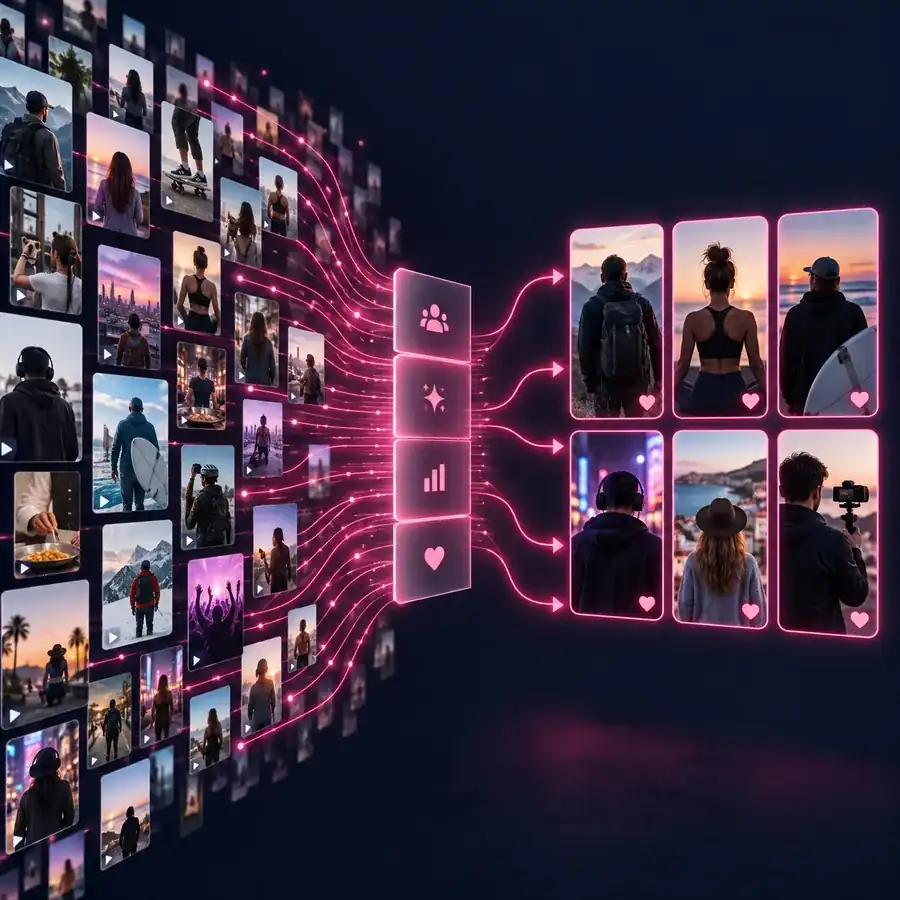
Today, influencer marketing usually works as a connected process rather than a single sponsored post. The relationship, creative idea, distribution, and measurement are planned together.

  1. 1

    Match the audience

    Start with the people a brand needs to reach, then look for creators whose subject, tone, geography, and audience behavior fit that group.

  2. 2

    Build the collaboration

    Agree on the brief, format, disclosure, timeline, rights, review boundaries, and action the audience should take.

  3. 3

    Learn from response

    Review reach, views, saves, comments, clicks, leads, sales, and qualitative feedback to improve the next partnership.

What changed

The meaning of influencer marketing changed as platforms made publishing, discovery, and performance data available to ordinary creators. Influence is now less about fame alone and more about a repeatable relationship with a defined audience.

Creator demonstrating a product for an audience Context matters
01

From endorsement to demonstration

Older campaigns often placed a brand beside a famous name. Modern creator content can show a product in use, answer objections, compare alternatives, and let viewers see how it fits everyday life.

  • Practical context can be more persuasive than a polished slogan.
  • The creator's format becomes part of the campaign idea.
Multiple campaign channels being reviewed together Measure the full path
02

From one broadcast to many signals

A contemporary campaign may combine an organic post, paid amplification, short-form video, live discussion, affiliate tracking, and audience feedback. That broader system gives influencer marketing more ways to create and measure value.

  • Reach shows distribution, while comments and saves show interest.
  • Clicks, leads, and sales connect attention with business outcomes.

Who switched

The groups using influencer marketing expanded as publishing tools became cheaper and audiences became more fragmented. Before a partnership begins, both sides need a few practical conditions in place.

You must have

Without every one of these the route does not run.

  • A defined audience or community need that the campaign is intended to address.

    Avoid choosing a creator only because the account has a large follower count.

  • A creator whose subject expertise, tone, audience, and past content fit the brand.

  • A written brief covering the objective, deliverables, timing, disclosure, and approval boundaries.

  • A fair exchange, such as a fee, product, commission, access, or another clearly stated benefit.

  • A measurement plan that names the primary outcome and supporting signals.

Nice to have

Skip any of these and the route still works — they only make it faster.

  • Permission to reuse content across other channels.

    Useful for paid amplification, landing pages, email, and retail placements, but it must be agreed in advance.

The shift in numbers

These figures describe the practical structure of a modern campaign rather than promising a universal result. They are useful checkpoints for planning the work.

The shared reference for goals, deliverables, timing, and guardrails
1 brief
Reach, engagement, and action should be read together
3 signal types
The brand audience and the creator's existing community both shape the outcome
2 audiences
A clear sponsorship disclosure protects audience understanding and trust
1 disclosure

Put the meaning into practice

Influencer marketing is no longer simply paying a famous person to mention a product. It is a structured collaboration between a brand, a creator, and an audience, with value created through relevance, credibility, distribution, and response.

Plan a creator campaign
  • Start with the audience problem, not a preferred personality.
  • Give creators a clear outcome and enough room to sound like themselves.
  • Measure the next decision, not just the largest visible number.

Its own FAQ

These answers address the most common meaning-focused questions about influencer marketing.

Influencer marketing is a collaboration in which a person with an engaged audience helps a brand introduce, explain, recommend, or sell something. The value comes from the creator's relationship with a specific community, not just from audience size.

Traditional advertising usually places a controlled message in purchased media. Influencer marketing adds a creator's voice, experience, and audience context, although the partnership may still include paid distribution and clear brand requirements.

Publishing platforms made it possible for niche creators to build direct relationships with audiences at scale. As a result, influence became associated with relevance, trust, conversation, and measurable action rather than celebrity status alone.

Retailers, service companies, nonprofits, publishers, apps, and consumer brands can all use it when a creator's audience overlaps with a communication goal. The partnership should fit the audience and offer genuine value instead of forcing a generic promotion.

Effectiveness usually depends on audience fit, credible content, a clear brief, transparent disclosure, and a measurement plan. Strong campaigns give creators useful direction while preserving the perspective that made their audience care in the first place.

Start exploring
Start exploring