Brand manager
You need awareness for a new product but have limited time to compare creators.
Define audience fit, content angle, deliverables, and success signals before outreach.
influencer collaboration with brandsCampaign planning
A strong influencer marketing strategy turns broad awareness goals into a focused campaign: choose the right audience, brief creators clearly, measure useful outcomes, and improve the next run.

The same influencer marketing strategy should change with the people responsible for the work. Use these starting points to frame a realistic brief.
You need awareness for a new product but have limited time to compare creators.
Define audience fit, content angle, deliverables, and success signals before outreach.
influencer collaboration with brandsYou want creator content that supports acquisition rather than vanity reach.
Connect creator selection to landing pages, tracked links, conversion events, and testing.
influencer strategy templateYou manage several clients and need a repeatable campaign structure.
Standardize research, approvals, publishing, reporting, and post-campaign learning.
influencer marketing researchYou have a narrow audience and need credible recommendations without a large media budget.
Prioritize relevance, trust, and useful content over follower count alone.
brand influencer marketingThese example prompts show how a vague campaign idea becomes a usable brief with a clear audience, channel, and measurement plan.
Create a creator campaign brief for a sustainable skincare launch targeting women aged 25–40 on Instagram.
Write three short-form video concepts for a travel app, each with a hook, creator angle, CTA, and tracked-link goal.
Build a weekly reporting plan for a creator campaign using reach, saves, clicks, conversions, and qualitative feedback.
 1
Brief
1
Brief
 2
Content
2
Content
 3
Measurement
3
Measurement
Adapt each prompt by replacing the audience, product, platform, creator role, and business outcome.
A dependable workflow keeps creative freedom intact while giving the campaign enough structure to produce comparable results.
Choose one primary outcome, define the audience, establish the offer, and decide which action matters after someone sees the content.
Review audience relevance, tone, past work, engagement quality, and practical fit before agreeing on formats, rights, timing, and fees.
Track the agreed signals, collect creator and audience feedback, identify what worked, and carry the strongest lessons into the next campaign.
An influencer marketing strategy is a decision framework, not a guarantee. These limits are useful because they prevent overpromising.
Creators can earn attention, but they cannot fix unclear positioning, poor product experience, or a broken conversion path.
Workaround
Test the offer and destination before scaling creator activity.
A rigid script may protect consistency while making content feel unnatural to the creator’s audience.
Workaround
Provide guardrails, mandatory claims, and examples while leaving room for the creator’s voice.
Views, likes, and follower counts show exposure, not necessarily business impact.
Workaround
Use tracked links, unique codes, lift comparisons, qualitative feedback, and conversion data together.
Past content, undisclosed sponsorships, audience fraud, or sudden controversy can affect campaign trust.
Workaround
Use documented vetting, contracts, disclosure requirements, monitoring, and an escalation plan.
The strategic core stays consistent, but the content job, measurement emphasis, and creator brief should reflect the platform.
Instagram works well when creators can demonstrate a product naturally through Reels, Stories, carousels, or routine-based content.
TikTok favors clear tension, quick context, and creator-native storytelling. The brief should protect the opening seconds without forcing a polished advertisement.
YouTube gives creators more room to explain tradeoffs, show a process, and answer objections. It suits products that need demonstration or education.
The difference is not more activity; it is clearer decisions about the audience, creator role, content, and evidence of success.
 Unfocused brief
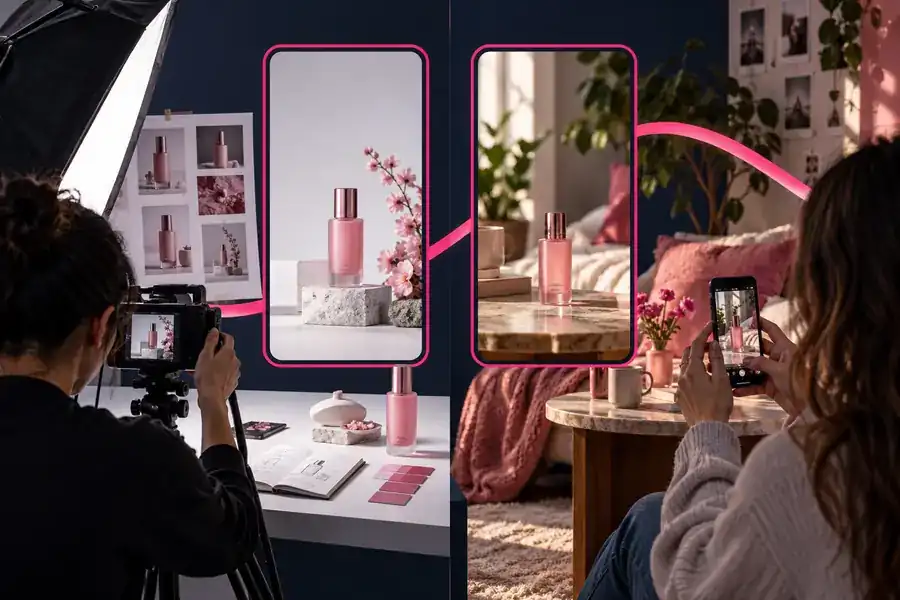 Actionable strategy
Start with the audience and outcome, then turn the idea into a creator brief your team can review, launch, and learn from. Use the planning console to create a practical first draft.
Create campaign planClear planning questions help teams choose a realistic campaign shape before outreach begins.
It should define the campaign objective, target audience, offer, creator criteria, content formats, timeline, approval process, measurement plan, and risk controls. It should also explain how campaign learning will inform the next activation.
Start with audience relevance and content credibility rather than follower count alone. Review past work, engagement quality, tone, audience location, brand fit, reliability, and the creator’s ability to deliver the required format.
The best metrics depend on the objective. Awareness campaigns may emphasize qualified reach and attention, while consideration and conversion campaigns should add saves, clicks, tracked actions, conversions, and qualitative audience feedback.
Give creators firm guardrails for claims, disclosures, safety, offer details, and required deliverables, but leave room for their natural voice. That balance usually produces content that is both compliant and credible.
Yes. A small business can focus on a narrow audience, relevant micro-creators, a simple offer, and measurable actions instead of trying to maximize reach. A clear brief and a small test can reveal what deserves more investment.